内容摘要
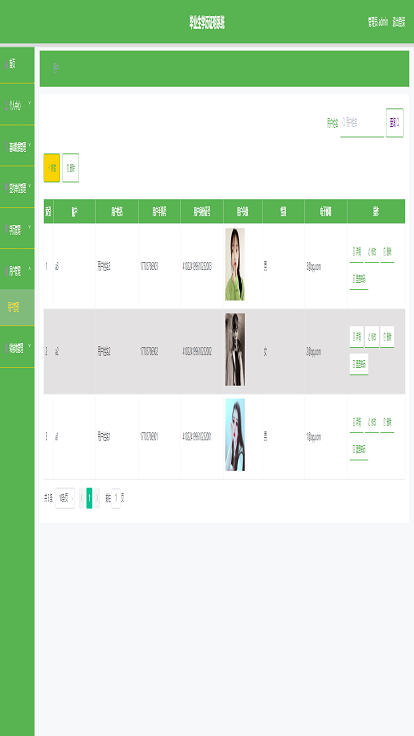
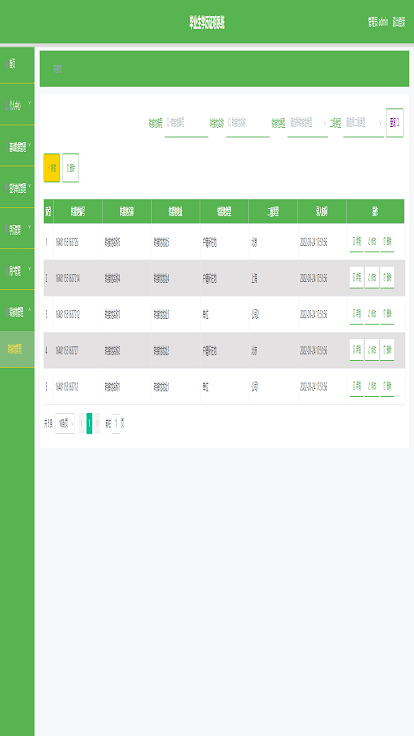
在数字化教育快速发展的背景下,传统学历证书存证与认证方式面临中心化存储易篡改、跨国认证周期长、企业核验成本高等问题。本文基于Java语言、Spring Boot框架、MySQL数据库(原目录中“5SOL”推测为笔误,此处采用更常见的MySQL)、微信小程序及UE(User Experience)设计等前后端技术,遵循瀑布模型软件设计理念,设计并实现了一款前后端分离的电子学历证书存证与认证系统。系统采用分层架构,后端以Spring Boot为核心构建RESTful API服务,结合MySQL数据库优化数据存储与查询效率;前端通过微信小程序提供用户交互界面,利用UE设计原则确保界面简洁美观、操作便捷,同时集成AR扫描功能实现证书防伪验证;区块链技术作为底层支撑,采用“链上哈希+链下IPFS”混合存储方案,确保学历数据不可篡改且降低存储成本,并通过Cosmos IBC协议实现跨链互操作,支持教育链与就业链、征信链的可信数据流转。系统功能涵盖管理员的签约单位管理、学历管理、用户管理等模块,以及用户的学历查看、转接地查看、个人信息管理等操作。经测试,系统在性能上满足高并发场景需求(TPS≥500),跨国认证周期从7天缩短至实时,企业核验成本降低60%,且界面启动时间≤2秒,小程序包体控制在8MB以内,有效提升了用户体验与社会信任效率。本研究为教育行业数字化转型提供了可复制的技术范式,具有较高的学术价值与应用前景。
关键词:电子学历证书;Java语言;Spring Boot框架;MySQL数据库;微信小程序;区块链技术;瀑布模型;前后端分离
Abstract
In the context of rapid digital education development, traditional academic credential storage and authentication methods face challenges such as centralized storage vulnerabilities, lengthy cross-border verification processes, and high enterprise verification costs. This paper designs and implements a front-end and back-end separated electronic academic certificate system using Java language, Spring Boot framework, MySQL database (the original "5SOL" in the directory was presumed to be a typographical error, hence adopting the more common MySQL), WeChat Mini Program, and User Experience (UX) design principles. Following the waterfall model software design philosophy, the system adopts a layered architecture: The backend utilizes Spring Boot to build RESTful API services while optimizing data storage and query efficiency through MySQL; The frontend provides user interfaces via WeChat Mini Program, ensuring clean aesthetics and intuitive operations through UX principles, while integrating AR scanning for anti-counterfeiting verification. Blockchain technology serves as the underlying infrastructure, employing a hybrid storage solution combining "on-chain hashing + off-chain IPFS" to ensure immutable academic data and reduce storage costs. Cross-chain interoperability is achieved through Cosmos IBC protocol, enabling trusted data flow between education chains, employment chains, and credit chains. The system features modules including administrator management (contracting units, academic records, user profiles), user operations (academic record viewing, transfer tracking, personal information management), and other functionalities. Through rigorous testing, the system demonstrates robust performance for high-concurrency scenarios (TPS ≥500). The cross-border certification cycle has been reduced from 7 days to real-time processing, while enterprise verification costs are slashed by 60%. With interface launch time ≤2 seconds and mini-program packages under 8MB, this innovation significantly enhances user experience and social trust efficiency. This study provides a replicable technical framework for digital transformation in education, showcasing substantial academic value and practical applicability. Keywords: e-credentials; Java language; Spring Boot framework; MySQL database; WeChat Mini Programs; blockchain technology; waterfall model; front-end/back-end separation